



Golden Age Collectibles: What Makes Them Valuable Today?
The term “Golden Age” typically refers to the remarkable periods in history marked by significant achievements in various areas, such as arts, culture, and economy. In the realm of collectibles, the Golden Age generally refers to items from the late 19th century to the early 20th century, including comics, toys, sports memorabilia, and various antiques. As the years pass, certain items from this era have not only retained their value but have even soared in market price. Understanding the factors that contribute to the value of Golden Age collectibles is essential for both collectors and investors.
Historical Significance

One of the primary factors contributing to the value of Golden Age collectibles is their historical significance. Items that represent a pivotal moment in culture or history often hold substantial value. For instance, comics from the Golden Age, such as Action Comics #1 featuring Superman, encapsulate the essence of American culture in the 1930s. These items are not merely artifacts but symbols of cultural milestones that resonate with collectors.
Rarity and Scarcity
As with any collectible, rarity plays a crucial role in determining value. Golden Age collectibles are often limited in quantity, whether because they were produced in small numbers, were not widely preserved, or have since deteriorated. Collectibles that are particularly rare, such as limited edition toys or specific issues of comics, can fetch exorbitant prices at auctions. For example, the scarcity of certain action figures from the 1960s or original comic books can create a bidding frenzy among collectors, driving prices up significantly.
Condition Matters

The condition of a collectible deeply affects its value. Items that have been well-preserved, graded, and maintained tend to be much more valuable than those in poor condition. Professional grading services evaluate collectibles based on their state, including wear and tear, color vibrancy, and even the presence of original packaging. A pristine comic book may be worth thousands compared to a heavily worn version of the same issue. As collectors seek out the best examples of Golden Age items, condition becomes a paramount factor.

Cultural Impact and Nostalgia
Cultural influence also adds layers of value to Golden Age collectibles. Many items evoke nostalgia for those who grew up in the era or for subsequent generations who view them through the lens of history. Collectibles that recall childhood memories or cultural experiences have emotional significance, driving demand and consequently increasing their market value. For instance, tin toys from the 1950s might cherish sentimental value for those who experienced that childhood, making them valuable in the eyes of collectors and enthusiasts.

Investment Potential
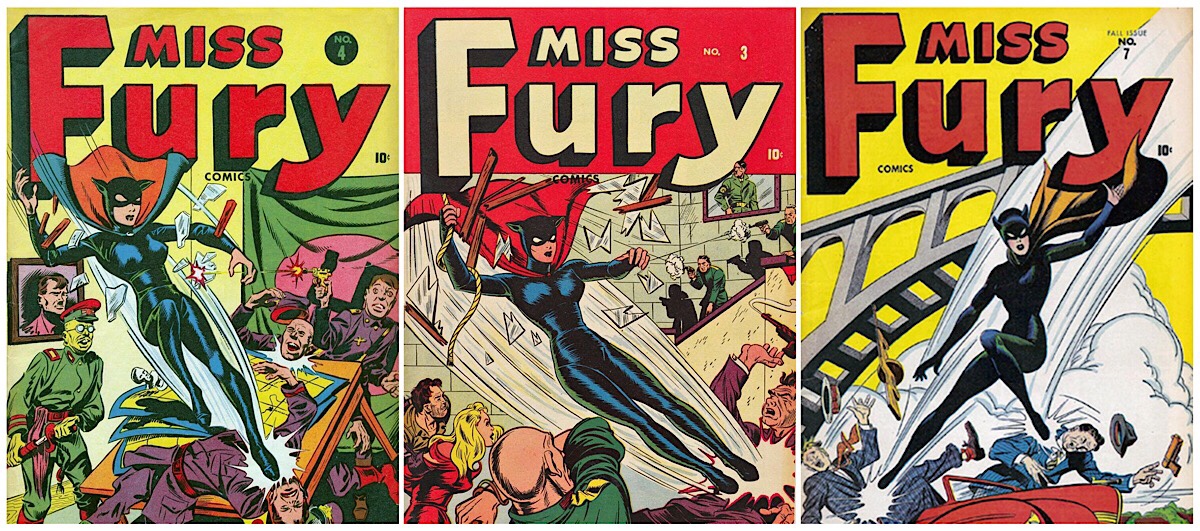
In recent years, collectibles have increasingly been recognized as viable investment options. The market for Golden Age collectibles has seen notable growth, with savvy investors turning to rare items as a hedge against economic instability. Unlike traditional investments, such as stocks or bonds, collectibles offer a tangible asset that can appreciate over time. Noteworthy transactions at auctions, where Golden Age collectibles have sold for record prices, add confidence to the market and attract new investors.
The Appeal of Collecting
Finally, the very act of collecting itself adds to the value of Golden Age collectibles. Many collectors are motivated by the joy of the hunt and the satisfaction of building a unique collection. Rare finds and the thrill of bargaining can make the process exhilarating. Collectors often network and share their interests, creating a community that further elevates the status of certain items. This passion for collecting can drive prices higher, as dedicated individuals are willing to stretch their budgets to acquire pieces that enhance their collections.
Conclusion
Golden Age collectibles represent more than just items from the past; they embody history, culture, and nostalgia, making them deeply valuable to collectors and investors alike. Factors such as historical significance, rarity, condition, cultural impact, and the potential for investment all contribute to their desirability in the market today. As the quest for these extraordinary pieces continues, understanding what makes them valuable will help guide collectors in their ventures and preserve the legacies of these timeless treasures.


What do you think?
It is nice to know your opinion. Leave a comment.