


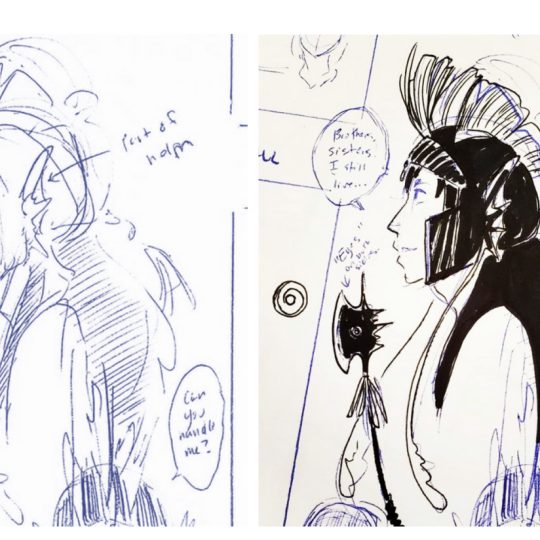
Comics have long been a vital part of popular culture, blending artistry and storytelling to create immersive worlds and unforgettable characters. From superhero sagas to intimate graphic novels, the techniques and trends in comic creation continue to evolve, reflecting changes in technology, culture, and audience preferences.
Comics have long been a vital part of popular culture, blending artistry and storytelling to create immersive worlds and unforgettable characters. From superhero sagas to intimate graphic novels, the techniques and trends in comic creation continue to evolve, reflecting changes in technology, culture, and audience preferences.
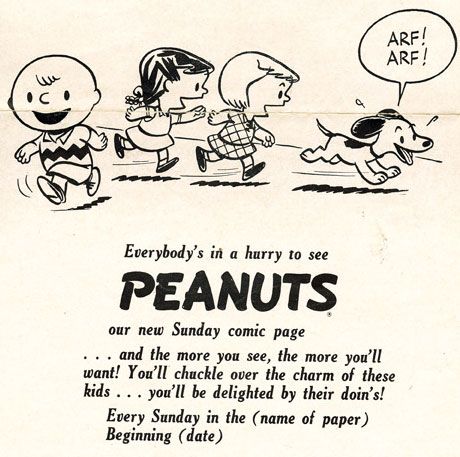
In 1950, Charles Schulz introduced Peanuts, a comic strip that defied the flashy, action-packed conventions of the time. Centered around Charlie Brown, Snoopy, and a group of philosophizing kids, Peanuts became an international sensation, thanks to its universal themes of failure, friendship, and perseverance.
In 1950, Charles Schulz introduced Peanuts, a comic strip that defied the flashy, action-packed conventions of the time. Centered around Charlie Brown, Snoopy, and a group of philosophizing kids, Peanuts became an international sensation, thanks to its universal themes of failure, friendship, and perseverance.

In the 1950s, comics faced their first major crisis. Dr. Fredric Wertham’s book Seduction of the Innocent (1954) accused comics of corrupting youth, blaming them for juvenile delinquency. His criticisms led to Senate hearings and widespread public outcry.
In the 1950s, comics faced their first major crisis. Dr. Fredric Wertham’s book Seduction of the Innocent (1954) accused comics of corrupting youth, blaming them for juvenile delinquency. His criticisms led to Senate hearings and widespread public outcry.
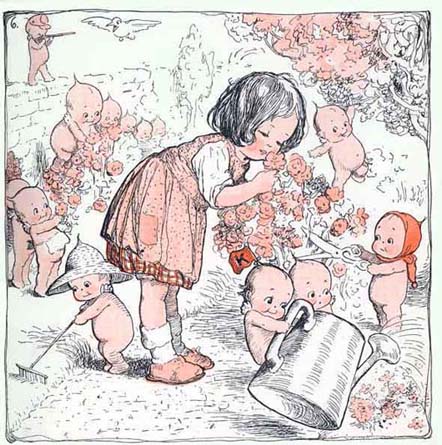
In the male-dominated world of early comics, Rose O’Neill broke barriers. In 1909, she created the Kewpies, a series of cherubic, mischievous characters that appeared in magazines, advertisements, and eventually on greeting cards and dolls.
In the male-dominated world of early comics, Rose O’Neill broke barriers. In 1909, she created the Kewpies, a series of cherubic, mischievous characters that appeared in magazines, advertisements, and eventually on greeting cards and dolls.
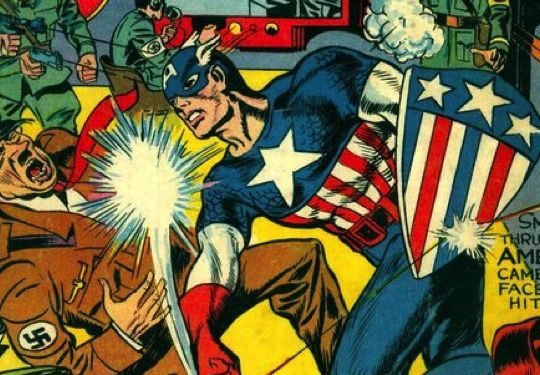
During World War II, comic books took on a new role as morale-boosters. Superheroes like Superman, Captain America, and Wonder Woman fought Axis powers on the page, inspiring hope and patriotism.
During World War II, comic books took on a new role as morale-boosters. Superheroes like Superman, Captain America, and Wonder Woman fought Axis powers on the page, inspiring hope and patriotism.
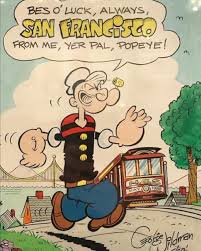
King Features Syndicate, founded in 1915, quickly became the dominant player, signing artists like George Herriman (Krazy Kat) and E.C. Segar (Popeye).
King Features Syndicate, founded in 1915, quickly became the dominant player, signing artists like George Herriman (Krazy Kat) and E.C. Segar (Popeye).
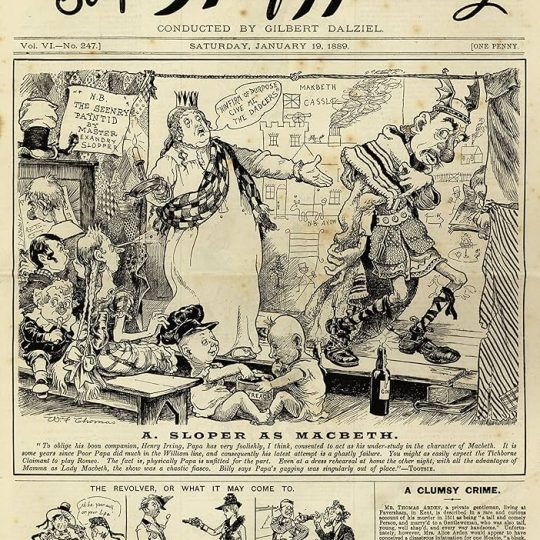
Before the word "comics" even existed, Victorian England had illustrated serials. Publications like Punch (founded in 1841) featured humorous drawings arranged in loose sequences.
Before the word "comics" even existed, Victorian England had illustrated serials. Publications like Punch (founded in 1841) featured humorous drawings arranged in loose sequences.
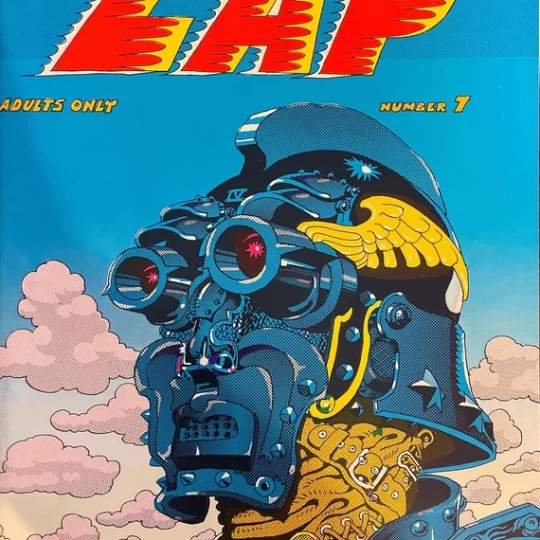
Not all comics were about capes and laughs. In the 1960s, artists like Robert Crumb launched the underground comix movement, pushing boundaries with taboo subjects, counterculture themes, and experimental styles.
Not all comics were about capes and laughs. In the 1960s, artists like Robert Crumb launched the underground comix movement, pushing boundaries with taboo subjects, counterculture themes, and experimental styles.
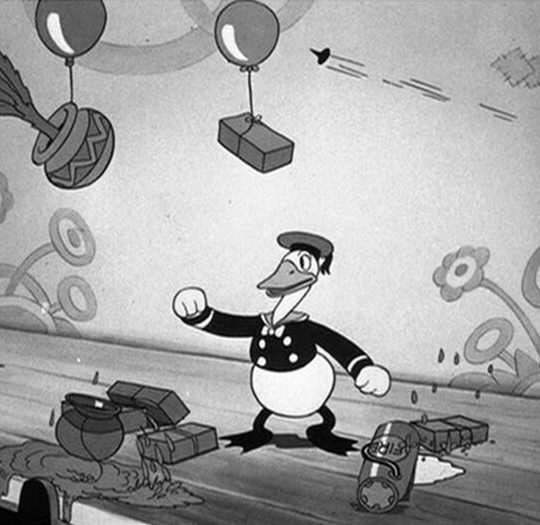
Before superheroes dominated comics, “funny animal” strips like Felix the Cat and Mickey Mouse were all the rage. Walt Disney’s Mickey started as an animated character in Steamboat Willie (1928), but soon appeared in comic strips, solidifying his fame.
Before superheroes dominated comics, “funny animal” strips like Felix the Cat and Mickey Mouse were all the rage. Walt Disney’s Mickey started as an animated character in Steamboat Willie (1928), but soon appeared in comic strips, solidifying his fame.
The first seeds of comics sprouted in political cartoons. In the 18th century, artists like William Hogarth used sequential illustrations to satirize society and government.
The first seeds of comics sprouted in political cartoons. In the 18th century, artists like William Hogarth used sequential illustrations to satirize society and government.


