


The Silver Age of Comics: A Brilliant Revolution in Storytelling
The Silver Age of Comics, generally considered to have spanned from the mid-1950s to the early 1970s, marks a pivotal period in the evolution of the comic book industry. This era introduced a new wave of creativity and innovation, fundamentally transforming how stories were told in comic form. With memorable characters, dynamic storytelling, and a burgeoning relationship between comic books and popular culture, the Silver Age is nothing short of a revolution.
The Context: Post-War America
The Silver Age emerged against the backdrop of post-World War II America. The country was undergoing significant cultural, social, and technological changes. While the 1950s saw a rise in conformity and traditional values, there was also a hunger for new ideas and a reflection of complexity in human relationships. The comic book industry responded to these dynamics by rejuvenating its narratives and character developments.
Birth of Iconic Characters
One of the most notable achievements of the Silver Age was the introduction of numerous iconic characters that would resonate for generations. The revival of superhero comics occurred in 1956 with the introduction of Barry Allen, the second Flash, in “Showcase” #4. This marked the beginning of a new wave of superheroes, including Marvel’s Spider-Man, Iron Man, and the X-Men, as well as DC’s Green Lantern and the Justice League of America.
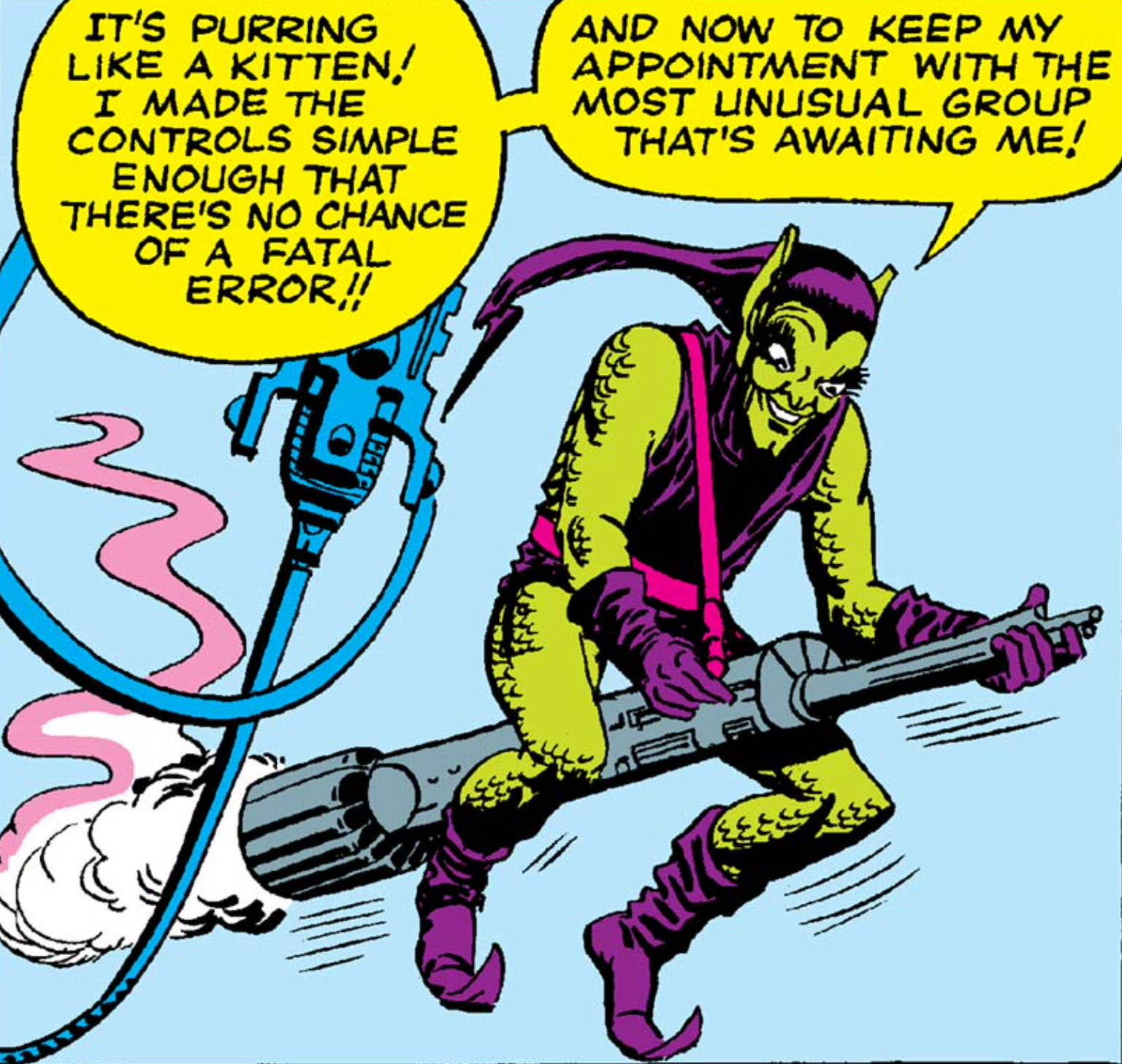
These characters shared relatable struggles, complex identities, and moral dilemmas, paving the way for the modern superhero archetype. They were not just heroes; they were flawed individuals grappling with their powers and responsibilities, making them more relatable to readers.
Innovative Storytelling Techniques
The storytelling techniques during the Silver Age were groundbreaking. Writers like Stan Lee, Jack Kirby, and Steve Ditko introduced multi-layered plots that often tackled social issues. Topics like racism, drug use, and mental health began to appear in comic book narratives—reflecting the broader societal changes of the time.
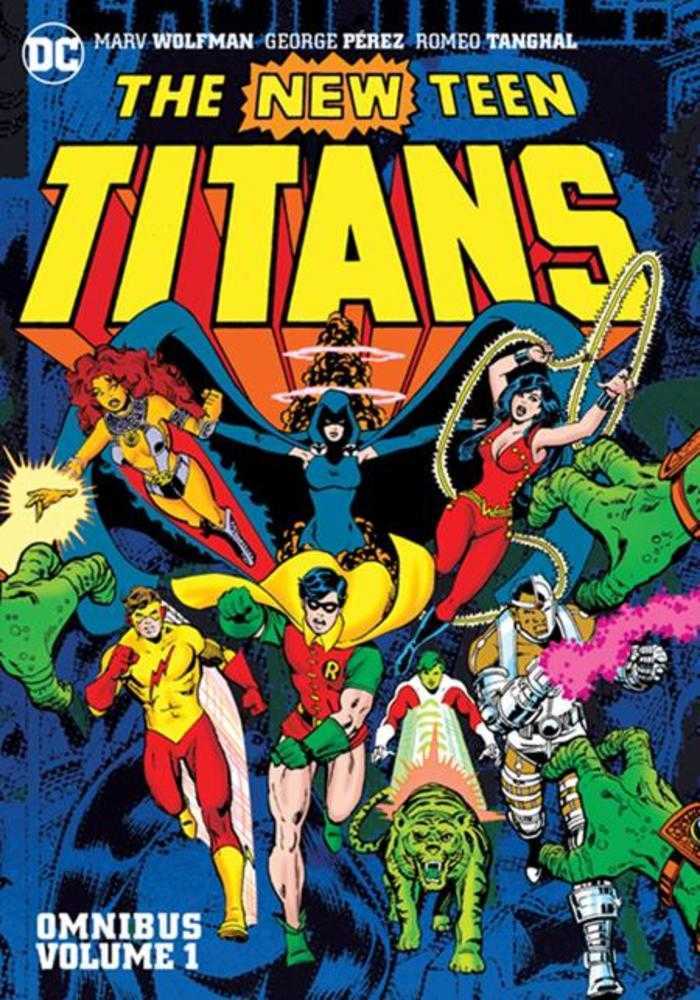
Comics started to adopt serialized storytelling and expanded universes, creating cohesive worlds where characters could cross over into each other’s narratives. This intricate web of stories invited readers into a richer and more immersive experience, laying the groundwork for contemporary comic book storytelling.
The Rise of Marvel Comics
During the Silver Age, Marvel Comics, under the creative helm of Stan Lee and artists like Jack Kirby and Steve Ditko, ascended to prominence. Marvel’s unique approach involved creating flawed heroes and intricate personal dilemmas that resonated deeply with audiences. Titles like “The Amazing Spider-Man” and “The Fantastic Four” not only captivated readers but also reflected the complexities of modern life.
Marvel’s success demonstrated that comics could be more than just escapist entertainment; they could also engage with real-world issues and evoke genuine emotional responses from readers.
Cultural Impact and Legacy
The impact of the Silver Age of Comics extends beyond the pages of comic books. The heroes born during this time laid the foundation for a massive cultural phenomenon, influencing television shows, films, and ultimately the entire entertainment industry. Characters like Spider-Man and the X-Men became cultural icons, reflecting societal struggles and aspirations that transcended the comic book medium.
The Silver Age also contributed to the legitimization of comic books as a form of art and literature. As fans became more vocal about their love for comics, conventions and fandoms began to emerge, celebrating this unique intersection of art, writing, and pop culture.
Conclusion
The Silver Age of Comics stands as a testament to the power of storytelling and creativity. It was a time when comic books evolved from simple narratives to complex tales filled with emotional depth, social commentary, and relatable characters. This brilliant revolution in storytelling not only reshaped the comic book industry but also left a lasting legacy that continues to influence creators and audiences alike. The heroes born during this era are not merely characters; they are reflections of society, representing its hopes, fears, and ever-evolving nature.

What do you think?
It is nice to know your opinion. Leave a comment.